
SILVERLAB IS LIVE
"Betty's in the Band" out 7/30

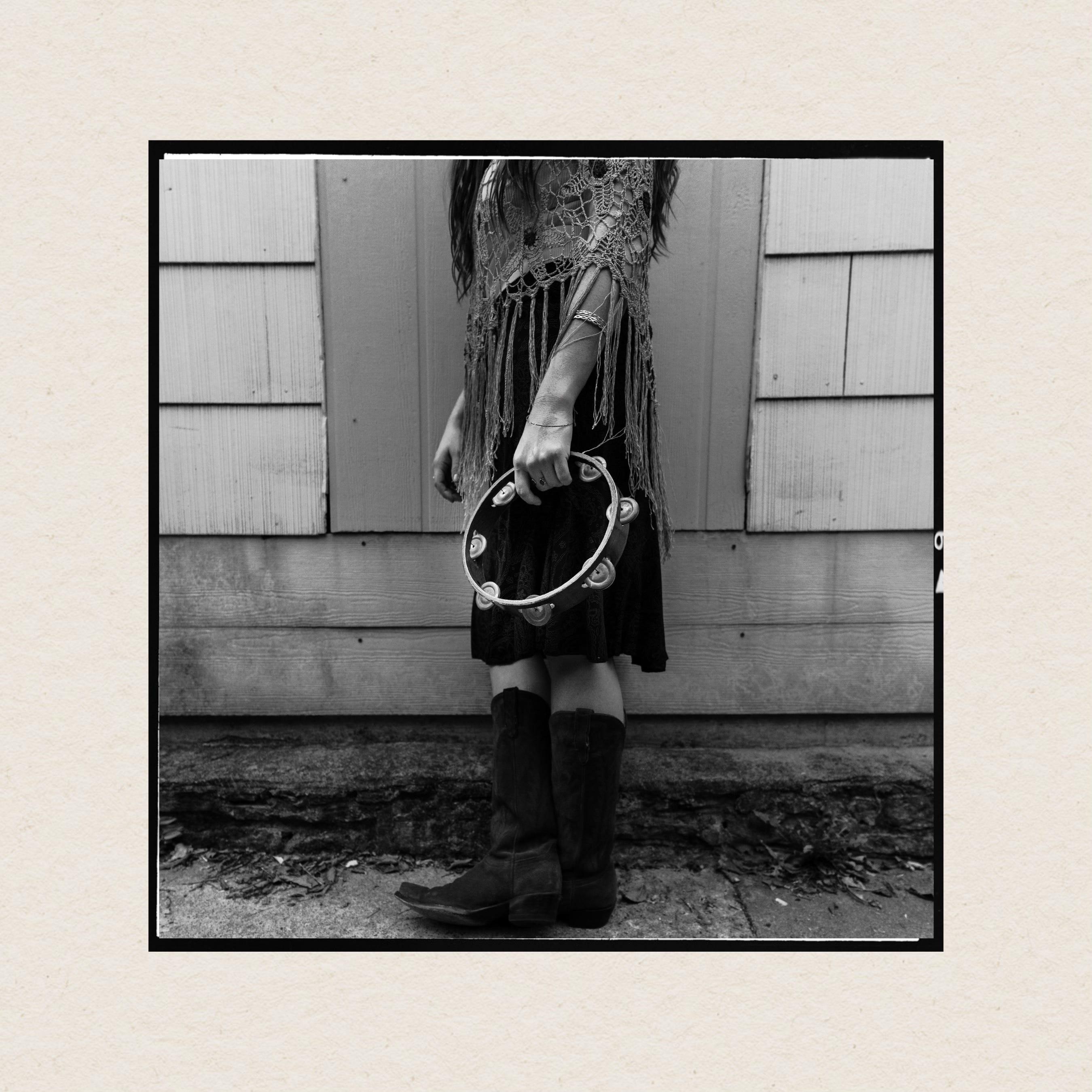
First, the promised announcement. Today is the launch of Silverlab, an artist development label platform in partnership with Grace Street Creative. Our first release is the single “Betty’s in the Band” by Abigail Rose and Weston Hunter, out today on all platforms.
Silverlab comes from an idea I had after my time at Concord as president of Rounder Records. After a decade as a professional musician, I found my passion for artist development over more than fifteen years in the music business, first as a music lawyer and then as a label head.
I had some success with developing music projects in both phases, but it was often frustrating—especially running a label. I always knew I had to earn the privilege of developing artists by signing established acts with established revenue streams. We earned the right to take our shots by making money. Resources were conditional, and nobody had much patience outside our small team. To me it was high pressure to a fault. But to me the best opportunities—both creative and financial—happened when baby acts became successful.
I signed established acts and I did the job as well as I could, but I found the most enjoyment in development. When it worked—such as with Sierra Ferrell—that’s when the job felt like a dream come true. Ultimately, however, it wasn’t a good fit and I moved on. I returned to law practice, launched a small firm with my partner Robert Meitus, and got to work building a clientele. Nevertheless, I deeply missed certain aspects of label life. I wanted to put my ideas to work by creating a fair system for development that prioritizes artists.

I remember when I first decided to try to be a music lawyer, my fantasy of what sort of career I’d have. I was coming out of decades as a creative musician; I didn’t want to let go of the creative outlet. I couldn’t picture myself entirely outside the creative process. I imagined that I could have a creative company that creatively developed and produced acts I loved. I would use my legal and business skills to make it work as a business. That dream predated law school, when I had a wide open imagination about what I wanted to be when I grew up.
Then experience showed me that my dream scenario had a flaw. It’s best illustrated by my first breakthrough music client, Bon Iver. When I met Justin Vernon in 2007, I realized that he’s way more talented than I could ever be. It didn’t bruise my musician ego at all—I’d already let that go. It made my head explode with excitement at my incredible luck. He didn’t need my help to be a great artist or to make an incredible album; he wanted my help with everything else.
The point is, I saw that I could have success as an artist lawyer by identifying the most talented artists on the rise, then seeing if they could use my services. It’s a gamble, taking on a baby client as a law firm lawyer. It’s a slow process because developing artists don’t make money right away. They probably need a lawyer, but they can’t afford one. You find ways to make yourself valuable, mostly working for free. I’ve never had a client I invested my time in early complain when I started charging for services. I could tell right away if they had gratitude. If they did, then they’d pay as soon as I started billing. A few of those became great clients. Many did not. It’s the only way to build that sort of practice, but it isn’t efficient.
As I built my practice, I realized that my calling isn't to create exceptional artists. It's to recognize exceptional work, invest however I can, and help it find the audience it deserves. That’s the model—which doesn’t really work inside a corporate law firm.
Of course I had some paying clients as well. I understood the law firm was a business and I needed to find collectable work. Many of my clients back then were finding their way in Nashville’s country music business. One of those was a teenage pop country phenom named Abigail Rose. Her family hired me to set up some deals. After years in the business, her career was on the rise.
I recognized that Abby was exceptionally talented, but I wasn’t confident in the music she was making. When I got to know her and realized she was also smart, kind, and soulful, I began to see that she felt the same way. At eighteen she walked away from a project with Grammy-winning producer Charlie Peacock, who brought me into the project. She went to find her voice.
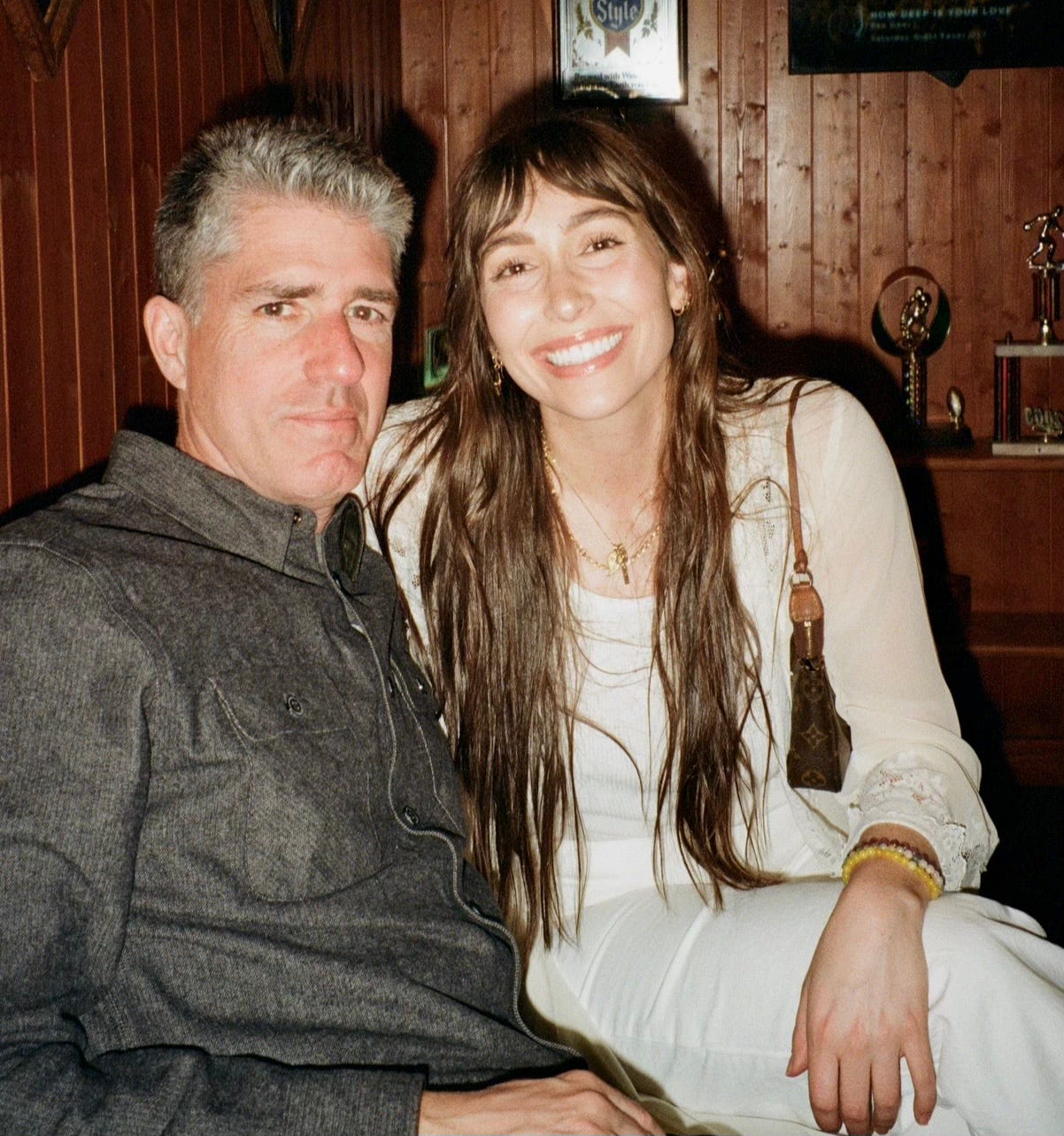
I’m going to tell Abigail’s story at greater length in a future essay. The very short version is that she found her voice, and her collaborator in her life partner and producer Mike Lohmeier. We reconnected and I fell for her new music. I really wanted to like it, which meant I spent a lot of time to be sure it’s as good as I thought. It is.
This is what I live for, to find something truly great before the business catches on. It’s even better because it’s someone I know, someone I trust, who trusts me, who came to me for help. We started from scratch, which is the hardest thing to do.
I leaned into what had always worked. I invested in a startup company called Abigail Rose. I didn’t invest money; I invested time, experience, relationships, ideas, passion, and patience. I also bet on a person, Abigail Rose. It’s a lot of work, and I knew she’d see it through.
The idea for Silverlab was the solution to a problem. The problem was having truly great music but little money, and no resources. An artist as charming as Abigail can make progress through social media alone, but it’s slow. I wanted to find a well-resourced distribution structure that would offer a very friendly deal for a very early artist.
That scenario doesn’t exist. I had to invent it.
My first idea two and a half years ago was to take a development model concept to a major label. I did that and I found the perfect creative partner. It took forever to do the long form agreement and things got complicated. As I negotiated deals for artist clients, I realized there truly weren’t any rules in dealmaking anymore, and I wasn’t sure my model could compete with other options. I moved on.
Abigail, Mike, and Mandy—a former Spotify editor who helped us figure out how to launch Abigail’s early releases—were disappointed. But we soldiered on, releasing album tracks through the Nashville tastemaker distribution platform Tone Tree. We just kept going. Which really means Abigail kept going, with our support, resources, and encouragement.
We started to make real progress as Abigail found an amazing creative community in Nashville. She started to get actual fans. Then I met a longtime client of our law firm, my partner Robert’s client, Grace Street Creative. Grace Street invests in arts and culture with a focus on music. Grace Street had previously experimented with artist development with a platform and they wanted to rethink the model from first principles. They approached me for business advice.
I explained Silverlab, and it turned out our thinking was very much aligned. We reimagined Silverlab as an independently distributed company. A small but significant change is that Silverlab isn’t designed to upstream to a particular label; it’s about building the business so that the artist can find greater investment, probably but not necessarily with a label.
I brought the Silverlab concept to my old Indiana music scene buddy Chris Allen, one of the A&R executives at Stem. Our first signing of course is Abigail Rose. She brought Silverlab into existence by creating an opportunity with her music. We hired Mike Lohmeier, Abigail’s partner and a renowned producer with platinum hits to his credit, as head of A&R and projects. We already have more projects on the way.
Abigail’s album, Paisley, had been finished for over three years. We’d released seven tracks from the album, including the EP Surprise Valley. We set an album announcement and release date, and hired a marketing partner.
About a month ago, Abigail decided to perform a song she’d written with a music scene friend, Weston Hunter. Abigail filmed the first run-through of the song, “Betty’s in the Band.” The clip is an authentic moment of community music-making, completely off the cuff. She posted it on Instagram, and it blew up. People love it. It’s going to have an incredible run and suddenly every door is opening, everything that eluded us as we continued to push that boulder up the mountain.
The way you know a song’s a hit in the viral media world is that everyone is suddenly in your inbox and DMs. When we started building Abigail’s audience three years ago, we had clear goals. We wanted the record labels and publishers to come to us. I wasn’t going to “shop” the album—that’s the old way, when you had to give up your power. The future—or rather the present—is “you build it and they’ll come.”
Silverlab is designed so that when you build it and they come, there’s nothing standing in your way.
Kudos. I love everything about this. Plays to all of your strengths as a Music Guy plus all of your music biz/legal expertise. Nice one, John.
Several years in the making and it's now up and running, you must be very proud! It certainly sounds a world away from the old practice of labels hoovering up new acts and spitting them out as soon as the wind/regime changed. Now that you've put down that boulder, here's hoping you can make the mountain come to Mohammed (or Silverlab) from now on!